
Walking Safaris & Game Drives · South Luangwa, ZambiaWe hold the birth certificate of the walking safari.
Not near where the walking safari began. Exactly where.
Ten camps, three storied names: The Bushcamp Company, Lion Camp and Chibembe. Walking safaris and game drives.
▶ Watch the film · 2:23 The Safari Heritage Collection
In 1961 Norman Carr leased Lion Camp and began walking paying guests through big-game country, and the government recorded it as “a type of tourism.” His guests came in from the east, crossed the river at the Chibembe pontoon and set off on foot to Lion Camp. His walking safaris took place between Chibembe and Lion Camp. Today Chibembe, Lion Camp and the eight camps of The Bushcamp Company are one journey again: ten camps along sixty miles of unfenced South Luangwa, run by one family and a team of some 350 people across the valley.
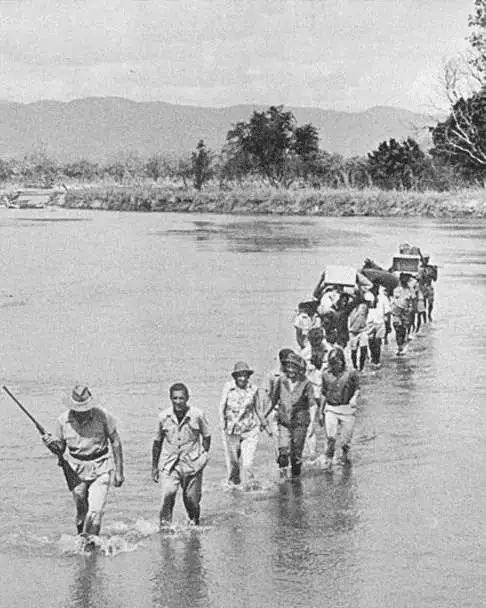
The birth certificate of the walking safari.
The walking safari was not a marketing idea. It is recorded for 1961 in Astle’s official history of the valley, compiled year by year from the government record, at a camp that is part of this Collection today.
“From this camp Wilderness Trails were pioneered by Carr as a type of tourism.”
Read the recordThe government recordThe family tree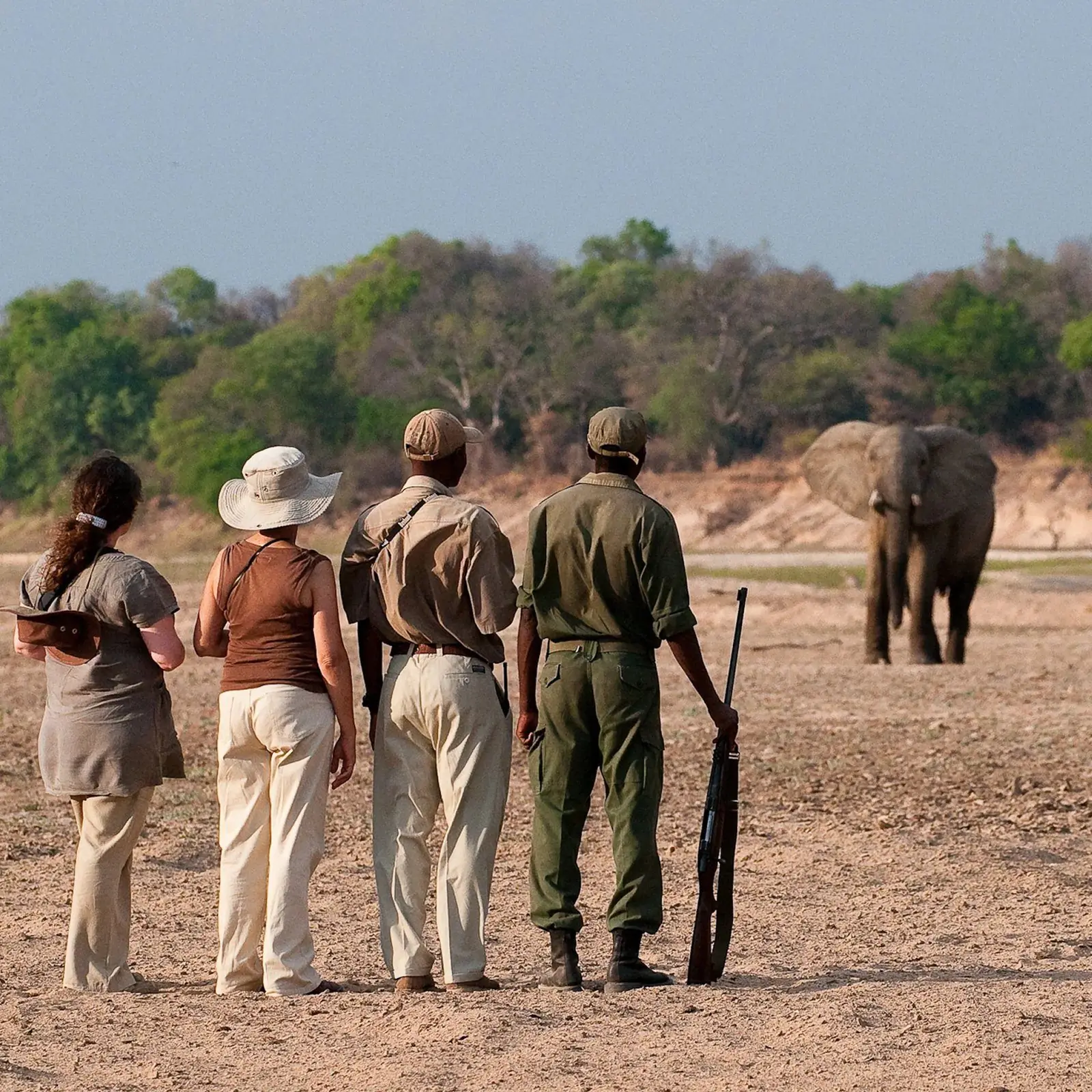
Half past five, and the valley is already awake.
A soft knock at the tent and a voice: “Mwauka bwanji.” Good morning, in Nyanja. Coffee by the fire while the sky turns from charcoal to pink. Then the briefing, short and serious. Single file. No talking unless the guide stops. If he raises his hand, freeze.
The scout goes first, with a rifle he hopes never to use, then the guide, then you. Within ten minutes the country you drove through yesterday becomes somewhere else. You hear what the engine hid: dry leaves underfoot, a francolin scolding from a thicket, your own breathing.
The guide kneels. Lion tracks pressed over last night’s elephant prints, an hour old, perhaps less. A puku whistles twice and every head turns. Then, eighty yards ahead, a buffalo bull lifts his head from the grass and looks straight at you, and for a long moment nobody moves.
By nine you have walked a couple of miles and seen fewer animals than on any drive, and you will remember every one of them. Tea is waiting under an ebony tree. So is the vehicle, if you want it: walking is always your choice.
This is what Norman Carr began offering in 1961. It has hardly changed, and that is the point.
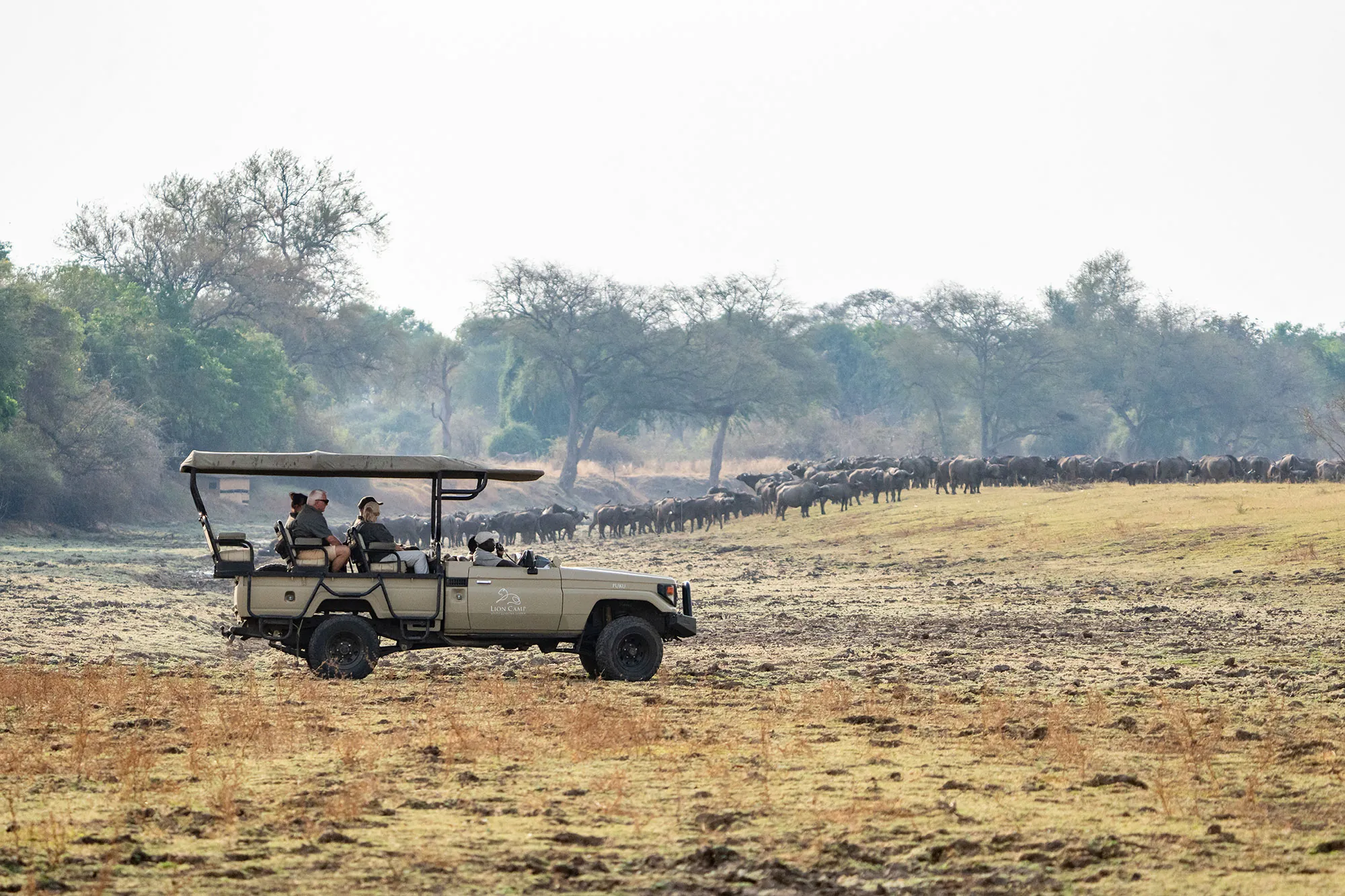
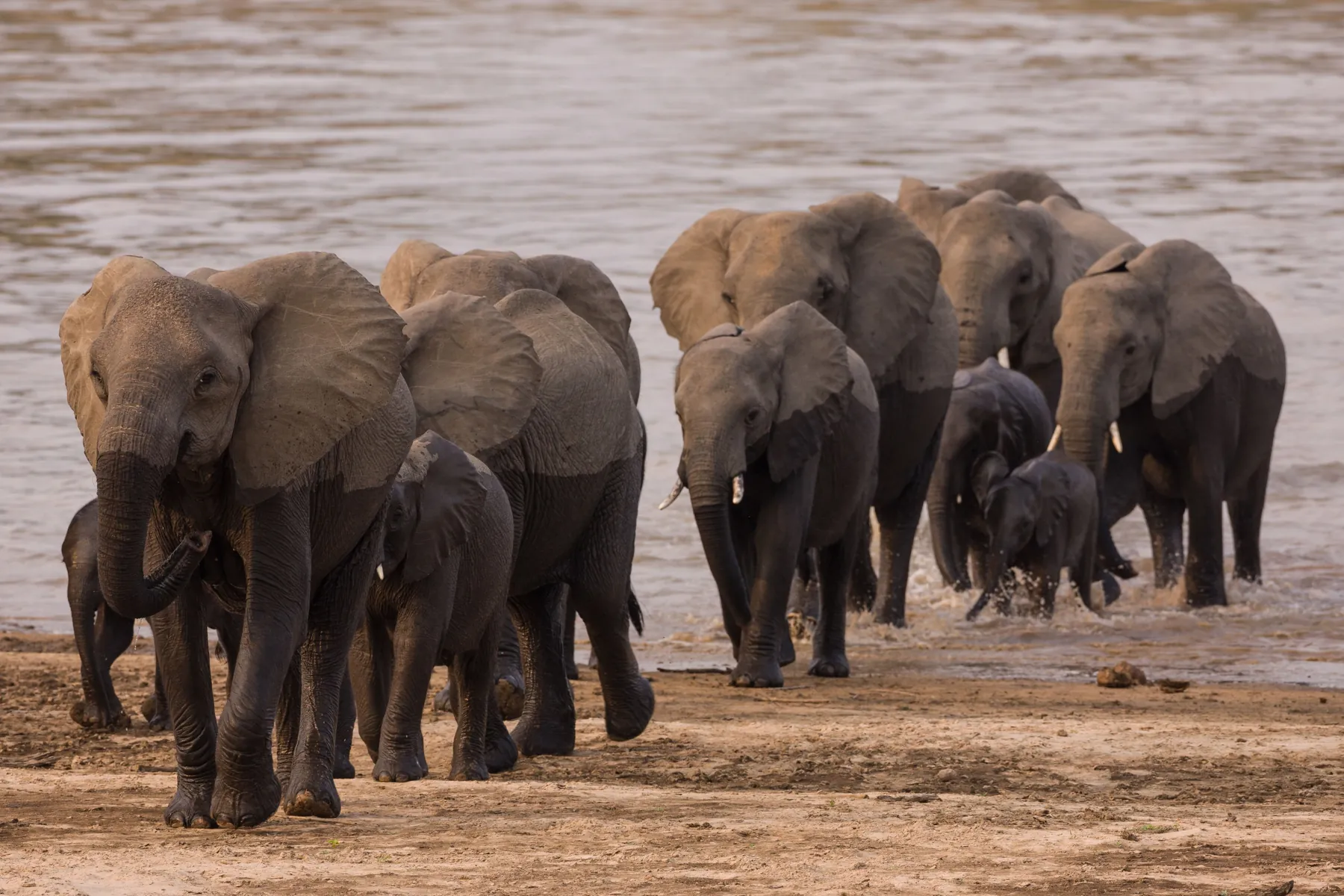
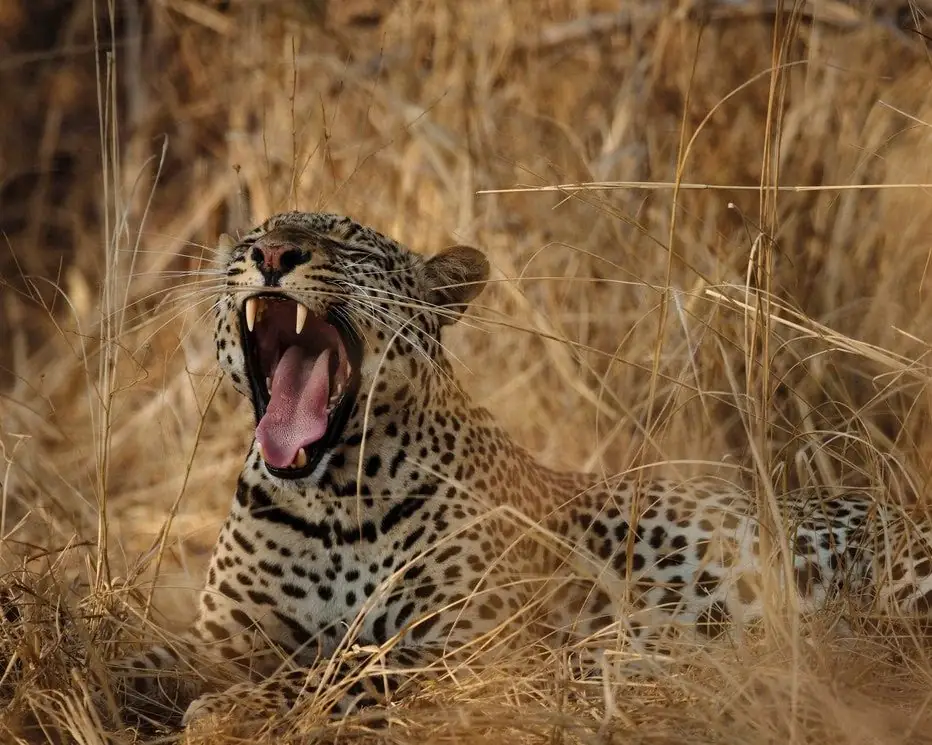
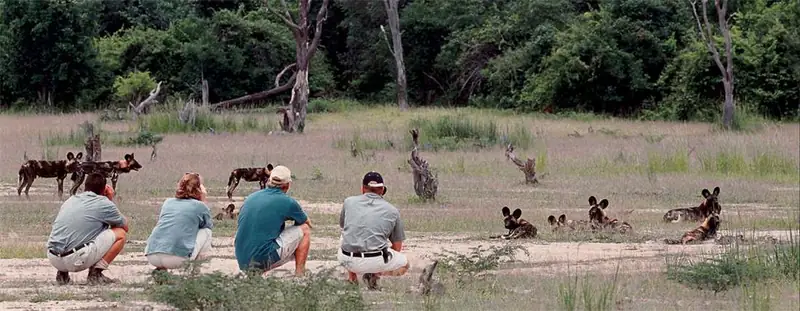
Ten camps, sixty miles, one valley.
Begin at the gateway lodges at Mfuwe, travel south into the bushcamps, then north to Lion Camp and across the river to Chibembe. Walk between the southern bushcamps, or drive. Every transfer is part of the safari.

Three storied names.
Unforgettable experiences.
There is a camp here for every way of seeing the valley, and one circuit that ties them together.
- Six bushcampsSmall, intimate camps of three to five rooms deep in the southern wilderness, each with its own character, build and ground: a lagoon below the hills, treehouses on stilts, a natural spring. In 2025, Condé Nast Traveler readers ranked all eight Bushcamp Company properties among the top 14 resorts in the rest of Africa.
- The Villas at KuKayaPrivate villas at the park gate, each with its own pool, guide and vehicle, and air conditioning, with just enough of the wild let in. See the villas.
- Mfuwe LodgeAn iconic safari lodge, voted Africa’s #1 safari lodge by Travel + Leisure readers in 2023: 18 chalets and a Family House for larger groups, and the natural first or last night in the valley. See the lodge.
- Lion CampTen suites on the Lion Plain in the wild north, one of the most celebrated camps in the valley, with the recognition to back it. See Lion Camp.
- Chibembe Wildlife Reserve3,500 unfenced private acres on the ground where the walking safari began as “a type of tourism.” There is no other place like it. See Chibembe.
- One circuitSixty miles of river from the gateway to the wild north, linked by walks and game drives, so a journey can move from lodge to bushcamp to the first walking ground without leaving the Collection. See the map.
Why one Collection? Because the valley is best understood as a journey, not a single stay. Holding the whole arc means one standard of guiding, transfers that are game drives in themselves, and a circuit either reservations team can build around you.

 The crossing · East bank
Chibembe Wildlife Reserve
The east-bank ground where Carr’s guests crossed to walk. A private, unfenced reserve, exclusive use.

 Eight camps · Since 1999
The Bushcamp Company
Two gateway lodges and six intimate bushcamps, four of them linked camp to camp on foot.

 Named in the 1961 record · Lion Plain
Lion Camp
Where Carr’s first walkers were headed in 1961, on a permanent lagoon in the remote north.
Everything you have just read, in two minutes.
Ten camps along sixty miles of one river, the valley where the walking safari began, and the communities and wildlife that every stay supports.
Introduction to The Safari Heritage Collection · 2:23 · Sound on
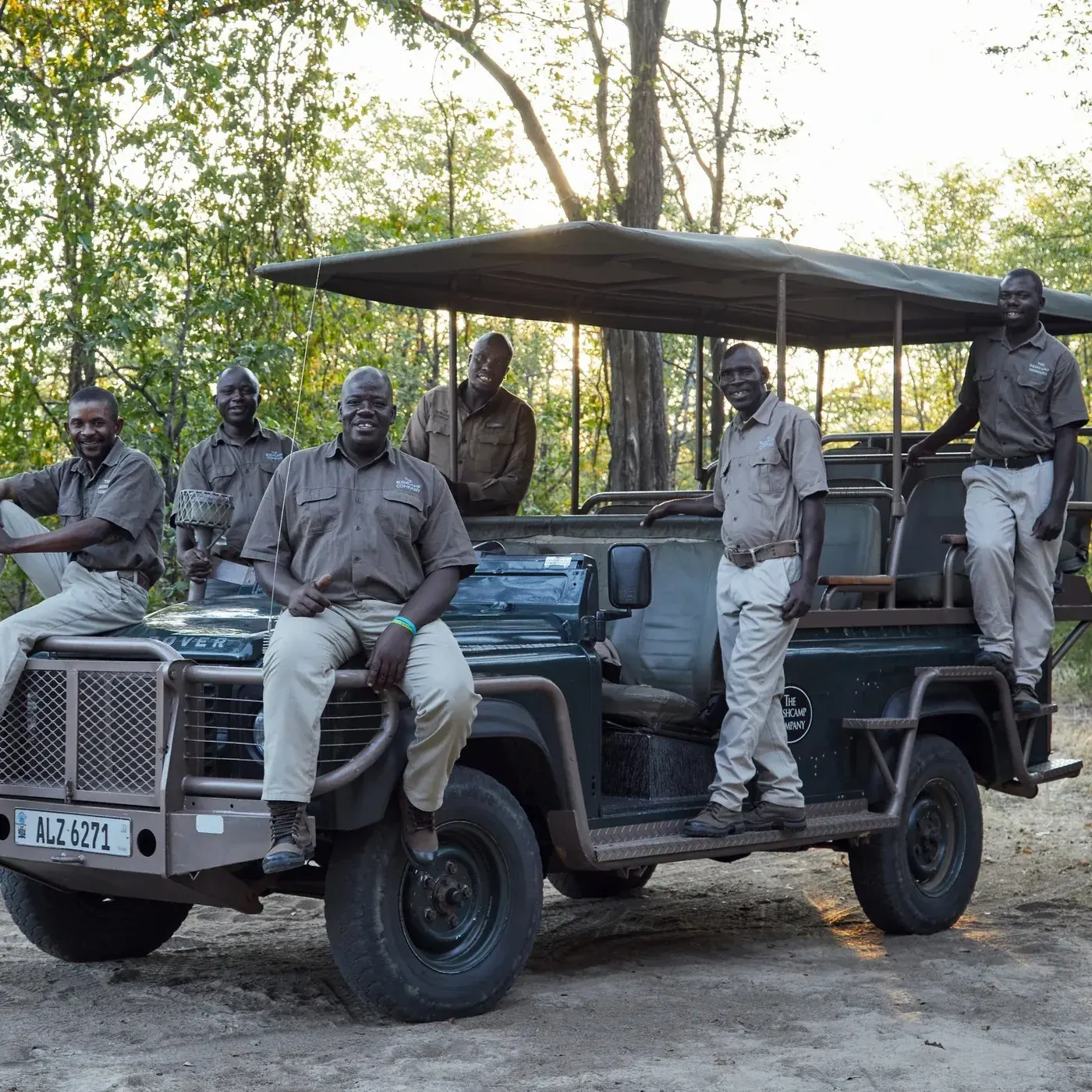
A craft handed on in the bush, one morning at a time.
The walking safari was never taught from a book. It passed from Carr and the guides who walked with him to the guides who followed, on this same ground. It lives on in the guides who walk the Collection today, trained to Zambia’s demanding national standard and accompanied on every walk by an armed scout.
“I learned this valley from the guides who came before me, and they learned it from the ones before them. Every morning I am still learning. The bush tells you everything, if you walk slowly enough to listen.”Fanuel · Guide, The Bushcamp Company
What guests say about the guides
Our guide, Robert, at Lion Camp is the best we’ve ever had, and we have a fair bit of previous safari experience.
Lion Camp · June 2025Samuel was amazing: kind, fun, patient, knowledgeable. The best in the biz.
The Bushcamp Company · June 2026Much of the credit goes to Innocent, our guide, who was simply outstanding.
Lion Camp · July 2026

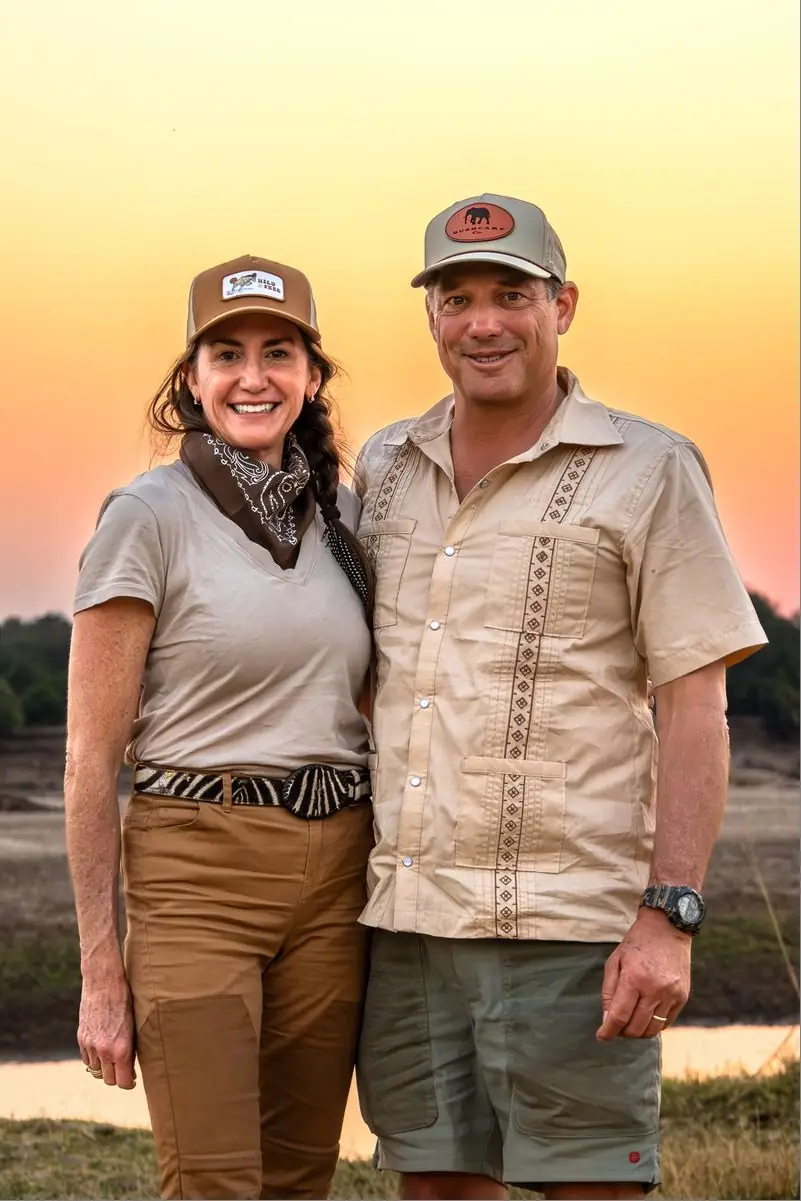
A family’s commitment to the Luangwa.
The Collection is family owned and led by Brooke and Corby Robertson III, whose ties to the valley go back to 1984. They see their role as stewards: caring for the places where the walking safari began and the wild country around them, and working with the communities who share it, so it passes to the next generation in good shape. They do it with a team of some 350 guides, scouts, chefs and camp staff, and as one of many in the valley, alongside fellow operators, conservation organizations, the Department of National Parks and Wildlife, and the chiefs and communities who have looked after this land far longer than any of us.
Their storyOur impactIf one could imagine Heaven on earth, it would be Chibembe.Sheri B. · USA Recognition and guest reviews